How a Cuban Bakery in Aurora CO Adds Joy to Your Day
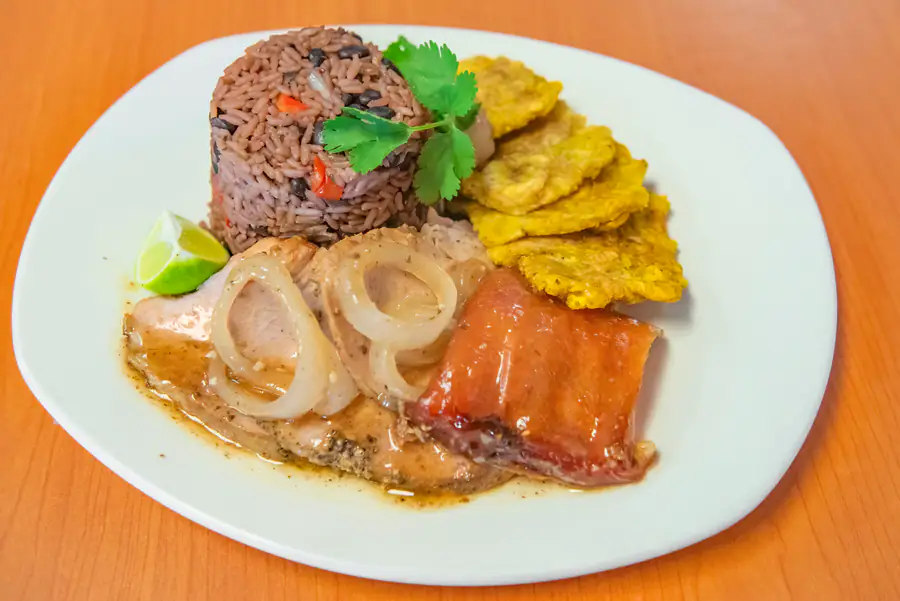
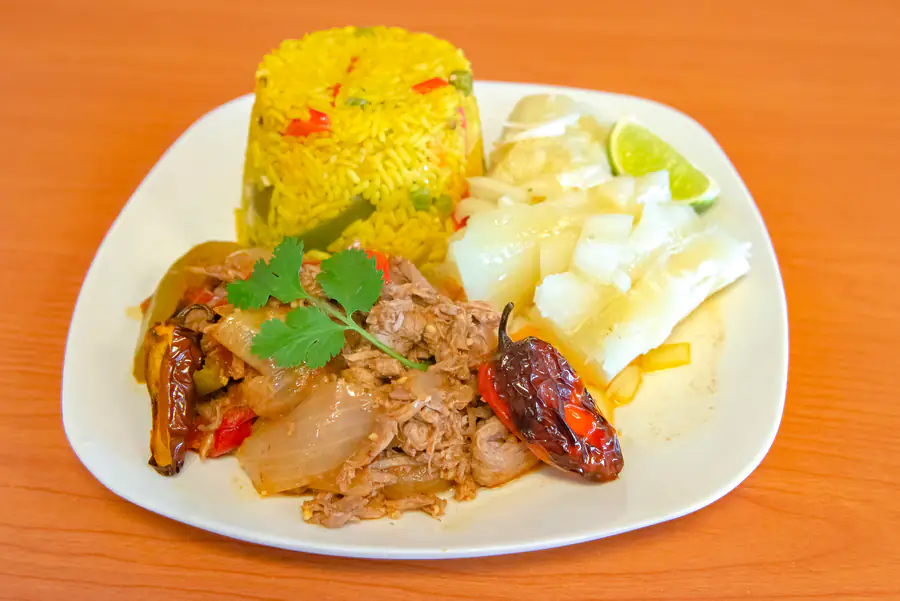
Some businesses do more than sell food. They change the temperature of a morning, rescue a flat afternoon, and turn an ordinary errand into something people remember. A good bakery has that power, and a Cuban bakery has it in a particularly vivid way. The aromas are deeper, the pastries often carry more contrast, and the whole place tends to run on a kind of cheerful momentum. You step in for coffee and leave with a box in your hands and a better mood than the one you brought through the door.
That is especially true in a city like Aurora, where daily life can move fast and the weather can change your plans in a few hours. On a cold morning, a warm pastelito and a strong cup of coffee feel restorative. On a busy Saturday, a bakery stop can become the easiest bright spot in the day. In neighborhoods where families, commuters, retirees, students, and contractors cross paths, a bakery also serves as neutral ground. Everyone understands the language of fresh bread.
When people search for a Cuban bakery Aurora CO, they are often looking for more than a pastry case. They want flavor, yes, but also familiarity, hospitality, and a place that feels alive. That combination is where the joy comes from.
The first few minutes matter
Ask anyone who visits bakeries regularly and they will tell you the same thing, even if they describe it differently. The first impression carries weight. It starts before the first bite. It begins with the scent of butter, sugar, yeast, coffee, and toasted dough. It continues with the sight of trays being filled, glass cases catching the morning light, and customers debating whether they should get one thing or six.
A Cuban bakery does not usually present itself in a timid way. The flavors are direct. Guava announces itself. Espresso does not apologize for being strong. A flaky pastry leaves evidence on your shirt if you are careless. That energy matters because joy often comes from sensory contrast. You walk in tired, distracted, maybe thinking about work or school pickup or your next appointment. Then the room gives you a reset. It asks you to notice something immediate and pleasurable.
That reset is not trivial. A lot of modern eating is rushed, improvised, and forgettable. People tear open wrappers in their cars and call it lunch. A bakery, especially one rooted in a strong culinary tradition, pushes against that habit. Even a short visit invites attention. You choose. You smell. You wait while something is warmed. You take the first sip while it is still hot. Those details slow the day just enough to improve it.
Cuban baking brings contrast to the table
Part of the joy comes from how Cuban bakery items balance extremes. Sweet and savory often sit side by side, and neither side dominates the whole experience. You might start with a pastry filled with guava and cream cheese, then shift to a ham croquette, then take a sip of dark coffee that cuts through both. That sequence keeps your palate engaged. It also makes the bakery appealing to more kinds of customers.
Many people who are not deeply familiar with Cuban baked goods assume the experience will be similar to any neighborhood bakery with a few Latin specialties added in. Usually it is more distinctive than that. The pastry work tends to emphasize crispness and layers. Fillings often carry bright fruit flavors or rich, salty notes. Sandwiches and savory items can be hearty without becoming heavy in a dull way. Even the coffee service often has its own rhythm and expectations.
That variety matters in practical terms. If one person wants breakfast, another wants dessert, and a third just wants coffee and something savory, a Cuban bakery can satisfy the group without much compromise. That is one reason these spots become regular stops for families and workplaces. They solve small social problems elegantly. Nobody has to settle.
The emotional role of coffee and pastry
It is easy to dismiss bakery food as a treat, as if treats sit outside normal life. In reality, small pleasures are one of the things that make routine sustainable. People need moments of reward that do not require a vacation, a reservation, or a major expense. A pastry and coffee can do that job remarkably well.
The classic bakery pairing works because it answers several needs at once. The coffee sharpens your attention. The pastry gives you warmth, texture, and a little indulgence. The sugar lifts your energy, while the fat and flour make the experience feel grounding rather than fleeting. When the product is made well, the effect is disproportionate to the cost and effort involved. You feel taken care of.
Cuban coffee culture adds another layer. Strong, sweet espresso has a social quality that drip coffee often lacks. It invites conversation, quick opinions, a second round, maybe a few minutes leaning against the counter or sitting near the window. Even if you take it to go, it carries that spirit with it. It does not feel like fuel alone. It feels like a break with personality.
There is also something deeply comforting about ritual. Some people stop in after dropping off the kids. Others go late morning after errands, or midafternoon when concentration fades. The reliability matters. Knowing that a warm pastry and a good coffee are available nearby gives structure to the day. It is a modest form of joy, but not a minor one.
Why Aurora is such a good home for this kind of place
Aurora has the kind of diversity that supports businesses with real culinary identity. People here are used to discovering food from different traditions, and they tend to appreciate places that are specific rather than generic. That creates room for a bakery to be fully itself instead of sanding down its edges to please everyone.
There is also a practical side to this. Aurora is large, spread out, and full of people with packed schedules. Residents often need food options that can fit between school runs, commutes, medical appointments, work shifts, and weekend sports. A bakery is excellent at meeting that need because it can work on multiple time scales. You can grab something in three minutes, or you can slow down for half an hour. You can buy one pastry for yourself or enough baked goods to carry into an office meeting or family gathering.
Weather adds to the appeal. Colorado mornings can be crisp even when the day ends warm, and winter has a way of making indoor comfort feel especially valuable. A bakery with warm cases, fresh bread, and hot coffee becomes more than convenient in those moments. It becomes part of how people cope with the season. That may sound dramatic until you have stepped inside from a windy parking lot and felt your shoulders drop just from the smell of something baking.
Familiar items, memorable details
What keeps people returning is rarely novelty alone. It is consistency plus one or two details they cannot stop thinking about. In a Cuban bakery, that detail might be the way guava filling cuts through buttery pastry, or the contrast between a crisp exterior and a soft center. It might be a sandwich pressed just enough to create crunch without drying the bread. It might be a coffee with the right sweetness, not syrupy, not timid.
Those details do more than satisfy hunger. They create anticipation. A person starts planning around them. If a bakery has a pastry that is especially good in the first hours after opening, regulars learn to time their visit. If a certain item sells out by noon, people remember. These are small habits, but they produce real pleasure. Anticipation is part of joy.
The best bakeries also understand that freshness is not a slogan. It changes everything. A croquette that has sat too long loses its contrast. Bread that is a few hours past its peak becomes merely acceptable. Pastry is unforgiving in that way. You can tell when a bakery respects timing because the food still feels animated. The crust shatters lightly. The filling tastes bright. The sandwich bread springs back. Even someone without technical vocabulary can sense the difference.
A place that welcomes both regulars and newcomers
One mark of a great neighborhood bakery is that regulars feel recognized without newcomers feeling excluded. That balance is harder to achieve than it looks. Some places become so insider-focused that first-time visitors feel unsure what to order or how the line works. Others are polished but impersonal, and the experience ends up feeling transactional.
A Cuban bakery that adds joy to your day usually gets this right through simple habits. The staff answer questions without making people feel inexperienced. They move quickly, but not coldly. The display case is tempting rather than confusing. Returning customers may be greeted warmly, but first-time customers are not left to fend for themselves.
That atmosphere matters, especially in a mixed community like Aurora. Not everyone walks in with the same background knowledge. Some customers grew up with Cuban pastries and know exactly what they want. Others are trying something new and may need a recommendation. When a bakery bridges that gap well, it does more than sell food. It widens the circle of people who feel comfortable there.
There is a social generosity in that. Food traditions stay alive not only through preservation, but through sharing. A bakery introduces flavors across generations and cultures in a way that feels natural. One person brings home a box for coworkers. Another stops by after hearing a recommendation from a neighbor. Pretty soon the bakery is part of the local vocabulary.
Joy shows up in the little practical moments
Not every good experience is ceremonial. Some of the happiest bakery visits are the unplanned ones. You are coming back from a hardware store, heading to a doctor appointment, or trying to salvage a long afternoon. You stop in almost by accident. Ten minutes later, the day has improved.
That improvement often comes from the bakery’s flexibility. It can meet you at different emotional levels. If you need comfort, there is warm food. If you need energy, there is coffee. If you need something to bring home so you do not arrive empty-handed, there is usually a pastry box or a bag of bread that solves the problem quickly and gracefully. Few businesses are so useful in so many ordinary situations.
Parents know this particularly well. A bakery can turn a rough school pickup into a gentler afternoon. Couples use bakery stops as low-pressure mini dates. Office workers use them to make a morning meeting less grim. Friends pick up sweets before visiting someone. None of these moments are dramatic, but together they make up a large share of daily life. Joy often enters through exactly those openings.
The case for buying a box instead of a single item
There is a reason people intend to buy one thing and leave with several. Cuban bakery items are https://codyazfh573.summitquill.com/posts/a-local-s-guide-to-cuban-bakery-favorites-in-aurora-co often best shared, and the variety rewards curiosity. One pastry is satisfying. A small assortment turns the visit into an event, even if the event is simply sitting at your kitchen counter with family and talking for fifteen minutes longer than usual.
There is also a practical advantage. A mix of sweet and savory options stretches across the day. Breakfast becomes a midmorning snack, which becomes an easy dessert after dinner. If you choose well, a single bakery stop can create several small bright spots instead of one. That is good value in both financial and emotional terms.
A box on the table changes the mood of a room. People gather around it. They negotiate. Someone cuts a pastry in half to taste more than one item. Someone else claims a favorite immediately. These moments sound simple because they are simple. That is part of their power. Not every pleasure needs to be grand to be lasting.
When tradition meets the reality of modern schedules
A bakery rooted in tradition still has to function for present-day customers. That means speed matters. Clear service matters. Packaging matters more than most owners realize, especially for takeout. A beautiful pastry that collapses in transit creates frustration instead of delight. The best bakeries know this and adapt without losing their identity.
They also recognize that customers use the space differently now. Some linger, while others need to be back in the car almost immediately. Some want a dozen pastries for a gathering. Others want a single coffee before work. A well-run bakery can honor the old-world pleasure of the experience while serving people who are operating on twenty-minute windows.
That flexibility is one reason the Cuban bakery model works so well in Aurora. Residents are balancing many demands at once. A place that can deliver warmth, speed, flavor, and human interaction in one stop earns loyalty fast. It becomes not just a place you like, but a place you depend on.
What people tend to remember most
People often assume that the best part of a bakery visit is the food itself. The food is central, of course, but memory is usually built from combinations. Taste plus smell. A pastry plus the conversation you had while eating it. The coffee plus the relief of getting off your feet for a few minutes. The box of sweets plus the smile from the person you brought them to.
Over time, that layering turns the bakery into a landmark in your personal routine. You remember where you were headed when you stopped in. You remember taking out-of-town guests there because you wanted to show them something specific to your area. You remember grabbing pastries before birthdays, after church, before road trips, or on the first quiet morning you had in a week.
Businesses that inspire those memories are doing something beyond competent retail. They are creating repeatable moments of pleasure. That is harder than it sounds. Plenty of places make decent food. Fewer make people feel better in a reliable, unforced way.
How to get the most from a visit
Timing changes the experience more than people realize. Early visits usually offer the widest selection and the freshest textures. Midmorning can be ideal if you want energy in the room without the first rush. Later in the day has its own appeal, especially if you are shopping with a specific item in mind and do not mind a smaller selection.
If you are new to a Cuban bakery, ask one honest question at the counter and pay attention to the answer. Staff can usually tell you what is freshest, what regulars come back for, and what travels well if you are taking food to someone else. That kind of guidance is useful because certain items really are better eaten immediately, while others hold up well for an hour or two.
It also helps to think in pairs. A sweet pastry often shines more when matched with coffee. A savory item can balance a sweeter purchase if you are bringing home an assortment. The best bakery visits are rarely about maximizing quantity. They are about choosing combinations that make sense for the moment.
More than a stop for food
A bakery can be many things at once: breakfast source, meeting point, comfort zone, quick gift, and familiar ritual. A Cuban bakery adds another dimension by bringing a strong food tradition into everyday life in a direct, generous way. The flavors are expressive. The service rhythm often feels communal. The products invite both indulgence and sharing.
That is why a Cuban bakery in Aurora can add genuine joy to a day that looked ordinary an hour earlier. It offers warmth in a practical form. It gives people something to anticipate, something to share, and something that tastes like effort was made for them. In a time when so many daily transactions feel automated or forgettable, that matters.
You may walk in thinking you need a coffee and a snack. You walk out reminded that small pleasures still carry real weight, especially when they are made with care. For many people, that is reason enough to return. For others, it becomes part of how they take care of themselves and the people around them. Either way, the effect is the same. The day feels lighter, richer, and a little more human.
Cuba Bakery & Café
15028 E Mississippi Ave, Aurora, CO 80012
+1 303-752-2822
FAQ About Cuban bakery Aurora CO
What are Cuban pastries called?
Many small Cuban pastries are called pastelitos. They can have sweet or savory fillings, such as guava, cheese, guava and cheese, or seasoned meat. Cuba Bakery & Café lists guava, cheese, guava-and-cheese and beef pastries on its menu. Ask the bakery about current availability and ingredients when ordering.
What are traditional Cuban pastries?
Common Cuban bakery choices include flaky pastelitos filled with guava, cheese or meat. Cuban bakeries may also offer empanadas, breads and desserts alongside coffee. Cuba Bakery & Café lists pastelitos, several empanada fillings, pan Cubano and desserts such as tres leches and bread pudding. Selection can vary, so confirm the day's choices with the bakery.
What makes Cuban bread different?
Cuban bread is known for its light interior and a thin crust that becomes crisp when toasted or pressed. Traditional recipes often use lard, although ingredients vary by baker. It is commonly served as buttered toast or used for Cuban sandwiches. Cuba Bakery & Café lists pan Cubano and tostada on its menu; ask staff about the ingredients in their bread if you have dietary restrictions.
Corrections
Spot something wrong? Send it to the desk and it gets fixed in the open.