How a Cuban Bakery in Aurora CO Elevates Dessert Time
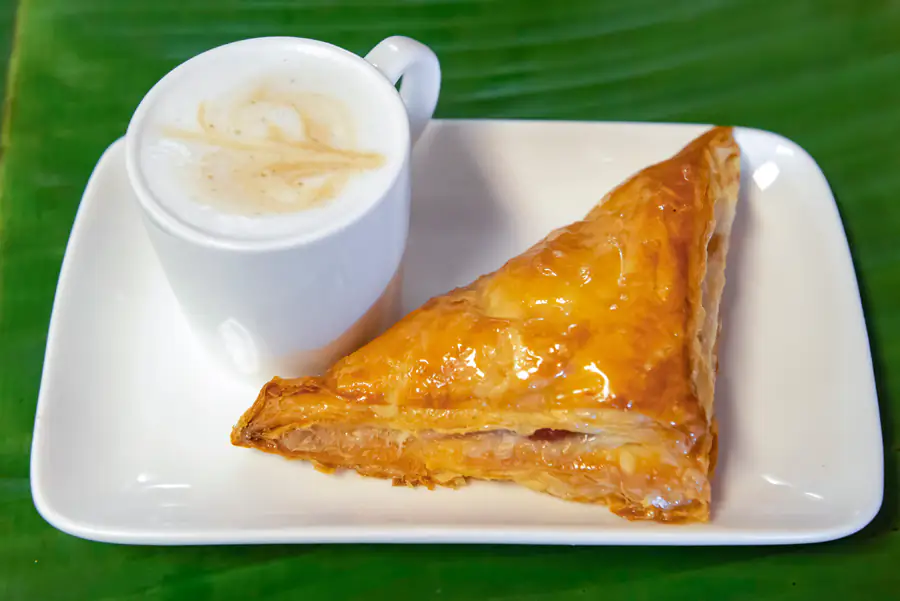
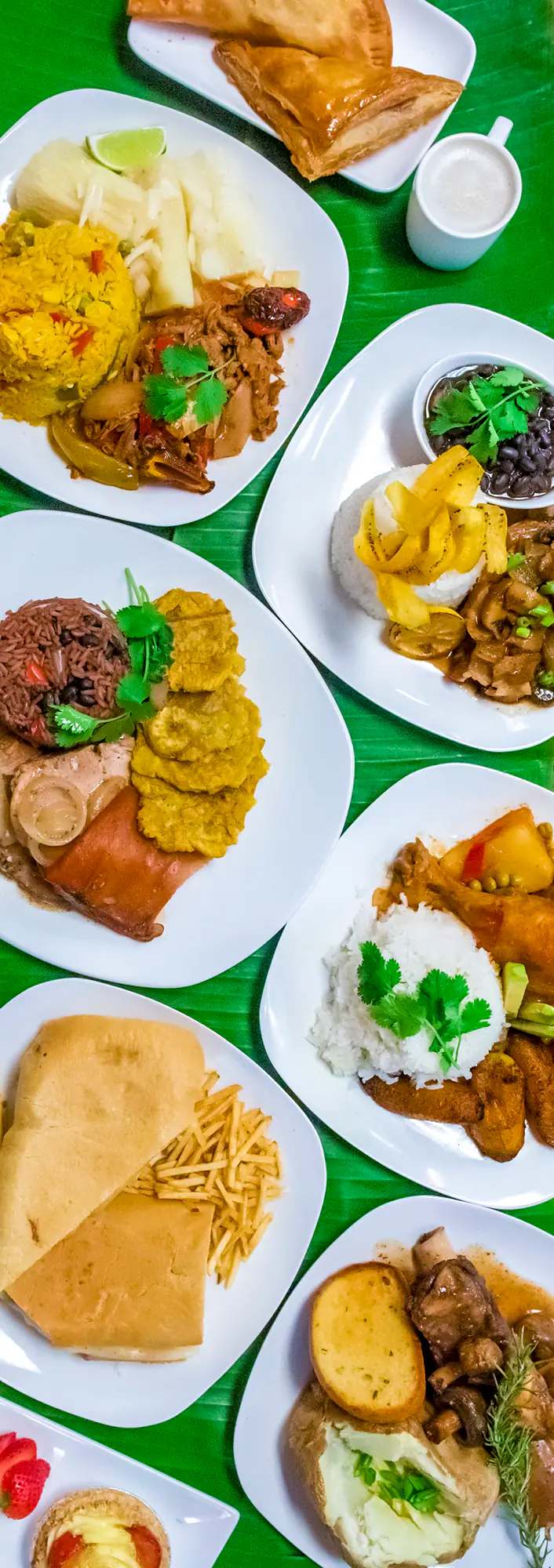
Dessert has a way of exposing the difference between something made to fill a display case and something made to leave an impression. You can taste it in the crust, the crumb, the balance of sweetness, even in the way a pastry holds together after the first bite. At a strong local bakery, dessert stops being an afterthought and starts acting like the most memorable part of the meal.
That is exactly where a Cuban bakery in Aurora CO can stand apart. Not because it relies on novelty, and not because every item needs to be unfamiliar to feel exciting, but because Cuban baking carries a distinctive point of view. It respects texture. It understands the role of butter, guava, coconut, cream cheese, and custard. It knows when sweetness should be assertive and when it should simply round out the flavor. Most of all, it brings a sense of occasion to everyday eating.
In Aurora, where diners can find a wide range of cuisines and neighborhoods with their own food traditions, a bakery that specializes in Cuban pastries has a real opportunity to reshape what dessert time feels like. It can turn a quick coffee stop into a ritual, a family gathering into something warmer, and an ordinary workday into a small reward.
Dessert is never just dessert
People often talk about baked goods as comfort food, which is true, but a good bakery does more than comfort. It creates rhythm. The midmorning pastelito with coffee, the box of pastries picked up before visiting relatives, the slice of cake that anchors a birthday table, these are not random purchases. They become markers in the day and, over time, markers in family memory.
Cuban baking is especially good at this because it lives in both casual and celebratory spaces. A flaky guava and cheese pastry can be breakfast, a snack, or the final sweet note after dinner. Tres leches can show up at a baby shower just as easily as it can end a weeknight meal. Flan can feel polished enough for guests and familiar enough for home.
That versatility matters in a city like Aurora, where people are often balancing long commutes, school schedules, work demands, and family commitments. A bakery that offers desserts with substance and personality gives people something they can bring to the table without overthinking it. You do not need a special occasion to justify stopping in. The food itself creates one.
What makes Cuban pastries distinct
The best Cuban pastries do not simply lean sweet. They rely on contrast. Contrast is what gives them staying power.
A guava pastry works because the fruit is bright and slightly tangy, not just sugary. The cream cheese, when included, softens the edges and adds richness. Puff pastry contributes shatter and lift. Take away any one of those elements and the experience flattens.
The same principle applies across much of the pastry case. Flan depends on the tension between silky custard and bittersweet caramel. Tres leches succeeds when the cake is fully soaked but not collapsed, rich but still airy enough to avoid heaviness. A good croqueta is technically savory, yet it often shares the same bakery spotlight because it plays a complementary role, especially if dessert follows coffee and a light snack.
This is one reason a Cuban bakery Aurora CO audience appreciates tends to build loyal customers rather than https://dominicklaic861.lowescouponn.com/what-makes-a-cuban-bakery-in-aurora-co-so-special one-time curiosity visits. The flavors are accessible, but they are not generic. Even someone walking in for the first time can quickly understand why these pastries feel different from standard supermarket desserts or chain bakery offerings.
The pastry case as a measure of craft
You can tell a lot about a bakery before you buy anything. The display case reveals habits, standards, and priorities.
Pastries should look alive rather than tired. Glazes should catch light instead of sweating under it. Puff pastry should show visible layers. Cakes should look neatly handled, with clean edges and frosting that suggests a steady hand rather than speed alone. In a Cuban bakery, the visual appeal matters, but so does what it signals about freshness and turnover.
From a practical standpoint, laminated pastries are unforgiving. They stale faster than denser cakes. Custard desserts need consistent refrigeration and careful timing. Syrup-soaked cakes can become mushy if held too long. So when a bakery consistently presents these items well, it usually means the back-of-house operation is disciplined. That is not glamorous work. It is scheduling, temperature control, dough management, and the kind of repetition that makes quality feel effortless from the customer side.
Experienced bakers know that dessert quality often comes down to restraint. Too much filling and the pastry leaks or turns soggy. Too little and it feels skimpy. Overbake the shell and the sugar tastes harsh. Underbake it and the center turns gummy. Cuban pastries, especially the simple-looking ones, leave very little room to hide mistakes.
Why coffee changes the whole experience
A Cuban bakery without strong coffee would feel incomplete. Dessert in this tradition is not isolated on the plate. It often arrives with café cubano, cortadito, café con leche, or espresso. That pairing changes how sweetness lands on the palate.
A small, intense coffee can sharpen a buttery pastry. Milk in a café con leche can mellow caramel notes in flan. A cortadito can stand up to richer cakes without making the whole experience feel too heavy. This balance is one of the reasons Cuban dessert culture feels so usable in real life. It is not only about indulgence. It is about proportion.
At many bakeries, customers are not sitting down for a long, plated dessert course. They are picking up a pastry and coffee on the way to work, meeting a friend for 20 minutes, or taking a box home after dinner elsewhere. The items need to perform in those moments. They need portability, structure, and enough flavor to register quickly. Cuban pastries excel here because they were never designed only for formal dining. They belong to daily life.
The role of familiar flavors, handled well
There is a tendency in food writing to celebrate the unfamiliar and overlook the value of getting familiar things exactly right. A bakery can earn trust very quickly by proving that staples are not boring when the execution is careful.
Take flan. Everyone has had a mediocre flan at some point, usually grainy, overly eggy, or drowned in a one-note caramel. A proper flan feels smooth and measured. The caramel should carry bitterness along with sweetness. The custard should hold a delicate wobble rather than slump. None of this is flashy, yet it is one of the clearest signs that a bakery respects technique.
Tres leches offers a similar test. In lesser versions, the cake disintegrates or tastes flat because the milk mixture has no depth. Better versions hold structure while remaining saturated. Cinnamon, vanilla, and dairy notes should all register. The sweetness needs a little lift, often from whipped topping that is light enough to contrast with the soaked crumb.
Then there is guava, one of the defining flavors many customers seek out at a Cuban bakery. When done well, guava pastries carry fruit character rather than just jam sweetness. The best ones are fragrant, slightly floral, and bright enough to cut through the richness of butter and cheese. That balance is not accidental. It comes from ingredient choice and handling.
Elevating everyday gatherings
One of the clearest ways a Cuban bakery raises dessert time is by making group sharing easy without making it feel impersonal. Not every gathering needs a custom plated dessert or a restaurant reservation. Sometimes what people want is a box on the table that immediately gets everyone leaning in.
A mixed bakery box does something a single cake cannot always do. It gives variety, invites conversation, and covers different preferences without fuss. One person reaches for guava and cheese, another for coconut, another for a custard-filled option. Children tend to gravitate toward sugar-topped or iced pastries. Older relatives often have a favorite they can identify on sight. The dessert becomes social before anyone has even taken a bite.
This matters at birthday breakfasts, office celebrations, church events, teacher appreciation mornings, graduation weekends, and family visits. In those settings, flexibility wins. You want desserts that look generous, transport well, and satisfy a room with mixed tastes.
A bakery that understands this can serve customers better by guiding them toward combinations that work together, not just by selling individual items one by one. Practical hospitality often shows up in recommendations like pairing rich pastries with lighter sponge cake, or including a few savory baked items to keep the spread balanced. That kind of judgment elevates the experience.
What customers should look for when choosing desserts
Not every bakery item serves the same purpose. Some are best eaten immediately. Others travel better or hold up longer on a table. Choosing well can make dessert time feel intentional rather than improvised.
- For same-day enjoyment, flaky pastries and anything with delicate crispness should be eaten within a few hours.
- For parties, sturdier cakes and custards usually travel more reliably than fragile laminated items.
- For mixed-age groups, include both fruit-forward pastries and simpler vanilla or caramel-based desserts.
- For coffee service, slightly richer items often taste more balanced once paired with espresso or café con leche.
- For gifting, choose an assortment with varied textures rather than several versions of the same pastry.
These are small decisions, but they shape the experience. A customer who knows what travels well avoids disappointment. A host who offers contrast in texture and flavor makes the dessert table feel more thoughtful without spending more.
Why texture matters as much as flavor
When people remember dessert, they often describe flavor first, but texture is usually what made the flavor memorable. The crisp top on a pastry, the creamy give of custard, the plushness of soaked cake, these sensations create the emotional response people associate with “fresh” and “homemade.”
Cuban baked goods are particularly strong on texture because so many classics depend on it. A pastelito has to break delicately. A flan should feel cool and smooth. Bread pudding, if offered, should be soft but not waterlogged. Cookies or short pastries should crumble cleanly instead of turning chalky.
This is where bakery skill becomes visible to anyone, even customers with no culinary background. People may not articulate that a pastry was properly laminated or that a custard was baked in the right water bath conditions, but they absolutely notice when something eats beautifully.
From a business perspective, texture is also what separates a bakery worth returning to from one that feels inconsistent. Flavor can sometimes be adjusted or covered with frostings, syrups, or fillings. Texture cannot. Once a pastry goes stale or a cake turns dense, the customer experience is set.
The local advantage in Aurora
Aurora is not short on dessert options. That makes specialization more important, not less. A bakery needs to give customers a reason to pass by a supermarket sheet cake, a national coffee chain pastry, or a generic cupcake shop. A strong Cuban bakery does that by offering both identity and reliability.
Identity comes from flavor profile and tradition. Reliability comes from freshness, consistency, and service. One without the other is not enough. Some places have character but uneven execution. Others produce polished desserts that could come from anywhere. The sweet spot is a bakery that feels rooted and dependable.
For local residents, that often translates into habits. They stop by for coffee and a pastry after school drop-off. They pick up a cake for a milestone dinner. They bring a box to coworkers because it is easier than explaining what everyone should order. Over time, the bakery becomes part of the neighborhood’s shared food map.
That local role matters more than trendiness. Dessert businesses do not build long-term loyalty on novelty alone. They build it by being useful, delicious, and emotionally consistent.
Pairings that make the most of the pastry case
A bakery visit gets better when the pairing is deliberate. The right combination highlights strengths and prevents palate fatigue.
- Guava and cheese pastry with café con leche offers one of the most balanced sweet-savory-rich combinations in the bakery world.
- Flan with straight espresso works well because the bitterness of the coffee reins in the caramel sweetness.
- Tres leches with a lighter coffee drink suits afternoon gatherings where people want dessert without feeling weighed down.
- Coconut-based pastries or cakes pair nicely with cortadito, especially when the coconut flavor is toasted rather than overly sweet.
- For a group, a mix of one custard dessert, one fruit pastry, and one cake keeps the table varied.
The point of pairing is not to make dessert complicated. It is to help each item show better. A good bakery can often guide this informally, especially if staff know which pastries are richest, which are best fresh from the case, and which hold up for later in the day.
The emotional side of bakery culture
People rarely visit bakeries only for calories. They go because bakeries feel human in a way many food businesses no longer do. There is visual abundance, a little anticipation, and usually some conversation, however brief, about what looks good or what came out fresh.
At a Cuban bakery, that feeling is often amplified by routine and memory. For some customers, the food connects directly to family history. For others, it becomes a new tradition they adopt because the flavors are generous and approachable. Even first-time visitors tend to sense that these pastries come with context. They are not random sugar vehicles. They belong to a broader café and bakery culture built around sharing.
That atmosphere is part of what elevates dessert time. The experience begins before the first bite and lingers after the plate is empty. You remember the crackle of pastry, the sweetness on the napkin, the smell of espresso, the extra item someone added at the register because it looked too good to leave behind.
Those details are easy to overlook when talking about desserts in purely technical terms, yet they are often why people return.
Quality shows in the quiet details
A bakery does not need extravagant presentation to impress. In fact, some of the best signs of quality are subtle. The pastry box is packed so icing stays intact. The cake slice is cut cleanly. The caramel on the flan has depth rather than just color. The guava filling tastes like fruit, not candy. The dough is baked through. The coffee is served hot enough to matter.
Professionals in food notice these things almost automatically because they understand how many small decisions sit behind them. But regular customers notice them too, even if they describe the result more simply. They say the desserts feel fresh. They say the pastry was flaky. They say the cake was not too sweet. They say they went back the next week.
For a Cuban bakery Aurora CO diners trust, that is the real measure of success. Not just whether the desserts look appealing online, but whether they become the thing people think of when they want dessert to feel better than ordinary. Not extravagant, not overworked, just deeply satisfying and made with enough skill to turn a short stop into part of the day’s pleasure.
That is how dessert time gets elevated. Not through gimmicks or excess, but through pastries and cakes that understand what people actually want: flavor with structure, sweetness with balance, comfort with character, and a bakery experience that feels rooted in craft rather than convenience alone. When those pieces come together, even a simple coffee-and-pastry break starts to feel like something worth planning for.
Cuba Bakery & Café
15028 E Mississippi Ave, Aurora, CO 80012
+1 303-752-2822
FAQ About Cuban bakery Aurora CO
What are Cuban pastries called?
Many small Cuban pastries are called pastelitos. They can have sweet or savory fillings, such as guava, cheese, guava and cheese, or seasoned meat. Cuba Bakery & Café lists guava, cheese, guava-and-cheese and beef pastries on its menu. Ask the bakery about current availability and ingredients when ordering.
What are traditional Cuban pastries?
Common Cuban bakery choices include flaky pastelitos filled with guava, cheese or meat. Cuban bakeries may also offer empanadas, breads and desserts alongside coffee. Cuba Bakery & Café lists pastelitos, several empanada fillings, pan Cubano and desserts such as tres leches and bread pudding. Selection can vary, so confirm the day's choices with the bakery.
What makes Cuban bread different?
Cuban bread is known for its light interior and a thin crust that becomes crisp when toasted or pressed. Traditional recipes often use lard, although ingredients vary by baker. It is commonly served as buttered toast or used for Cuban sandwiches. Cuba Bakery & Café lists pan Cubano and tostada on its menu; ask staff about the ingredients in their bread if you have dietary restrictions.
Corrections
Spot something wrong? Send it to the desk and it gets fixed in the open.